Our-Commitment
At the Omaha Conservatory of Music, we strive to be a place where every person feels they truly belong. Music is a powerful connector, and we aim to ensure that everyone who walks through our doors experiences a welcoming, supportive community where their presence matters.
community
We believe that music lives in every culture, and we honor the many traditions, perspectives, and lived experiences that shape our community.
By offering musical experiences that reflect the world around us, we invite students, families, faculty, and partners to bring their whole selves to our shared work. When people feel seen, valued, and encouraged, creativity thrives.
opportunity
We work to ensure that meaningful opportunities to grow through music are available to as many people as possible.
This includes offering classes in local neighborhoods, providing financial support for families, and presenting select concerts and programs at little or no cost. Our goal is to make participation in music education realistic and attainable for a wide range of households.
welcome-and-respect
Our community is built on mutual respect.
We welcome individuals of all ages, backgrounds, identities, and abilities. We foster an environment where curiosity, kindness, and open conversation help us learn from one another. Harmful behaviors—such as harassment, bullying, threats, or any form of discrimination—are not tolerated.
ease
We want engagement with our programs to feel simple and supportive.
We continue to improve the usability of our campus, reduce barriers related to finances, and provide assistance with processes that may feel overwhelming or technical. If something stands in the way of your ability to participate fully, we want to hear from you.
action
- Thoughtful and equitable hiring practices
- Transparent information about our hiring approach
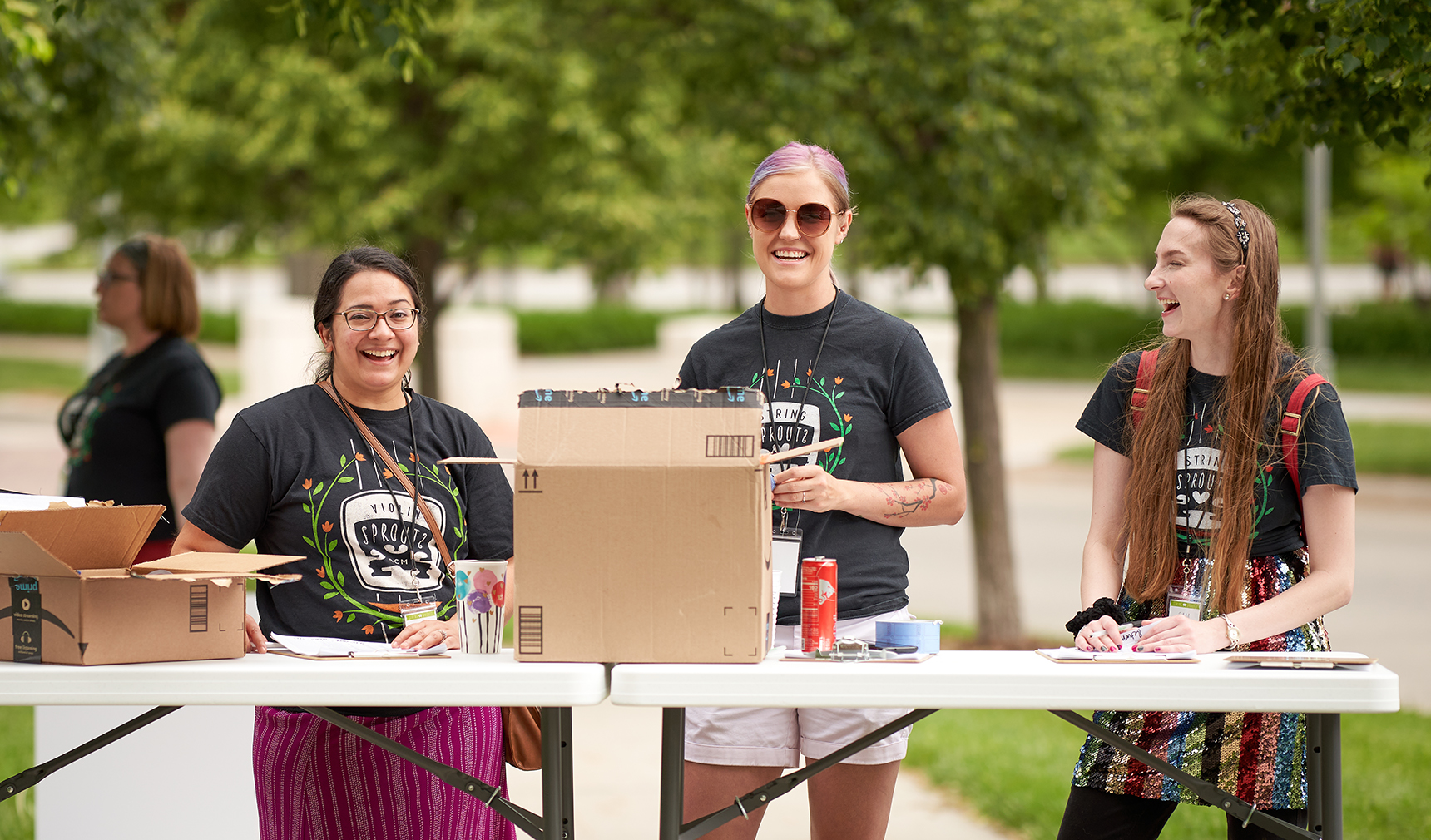
- Our String Sprouts program
- A wide range of Artist-Faculty with varied experiences and backgrounds
- Our partnership with a variety of schools
- Financial Aid
- Group education options designed with affordability in mind
- Support for families navigating enrollment or technology challenges
- Welcoming guest artists from many musical traditions
- Adult learning opportunities
- Online learning options
- Translated materials
- Public school partnerships
- Programming with community service organizations